The Truth About the Crosley Tribute Radio: Pros, Cons, and Verdict
Category: Audio
Introduction
The Crosley Tribute Radio is one of the better-known retro-style tabletop radios that mixes nostalgic design cues with modern convenience. For buyers attracted to mid-century looks, warm wood finishes, and the charm of analog dials, the Tribute is often at the top of the consideration set. But looks alone do not make a good purchase; sound performance, connectivity options, build quality, and long-term value are the practical concerns most buyers weigh. This article examines the Crosley Tribute Radio from multiple angles, discusses real-world use cases, compares it with similar alternatives, and offers a clear buying guide and verdict.
What the Crosley Tribute Radio Is (and Is Not)
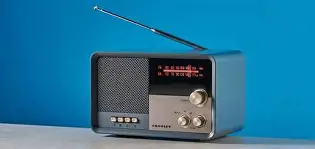
At its core, the Crosley Tribute Radio is a compact tabletop radio designed to evoke vintage styling: wood or wood-like cabinets, a rounded front grille, and analog-style tuning controls. Depending on the specific production run and variant, it commonly includes basic modern features such as an AM/FM tuner and some level of wireless connectivity, plus convenient inputs for external devices. It is primarily marketed as a lifestyle product — an accent piece for kitchens, offices, living rooms, or bedrooms — rather than a high-fidelity audio system.
It is important to set expectations: the Tribute is not a bookshelf stereo intended for critical listening. Instead, it aims to deliver pleasing, casual sound and a tactile experience that complements interior decor. Buyers should therefore evaluate it with the right use case in mind.
Detailed Product Review and Analysis
Design and Build
The Tribute's most immediately notable attribute is its design. The cabinet typically uses wood veneer or a wood-like finish over engineered materials, and the form factor is compact enough to sit comfortably on a nightstand or kitchen counter. Controls are often analog in appearance — rotary knobs for volume and tuning and simple push buttons for band selection — which contributes to the nostalgia factor.
In real-world use, the build quality feels satisfactory for a lifestyle item: the materials are generally adequate, seams line up, and controls feel reasonably solid under normal use. That said, the Tribute is not heavy-duty; prolonged transport or rough handling can reveal the limitations of lower-cost cabinetry and internal fastenings. Buyers who prize heirloom-quality construction should be aware of this distinction.
Sound Quality
Sound is the area where expectations must be managed. The Tribute typically delivers a pleasant midrange presence — voices, acoustic instruments, and podcast content come through clearly. This makes it an excellent choice for background listening, talk radio, and casual music playback. Where it falls short is in low-end extension and stereo imaging: bass is usually limited and can sound thin if pushed at high volumes, and the compact speaker array does not create a wide soundstage.
For many buyers, this performance is acceptable because the radio will be used in small rooms or as secondary audio. For listeners who prioritize deep bass, tight transient response, or accurate high-frequency detail, pairing the Tribute with external speakers or choosing a different product category will be necessary.
Connectivity and Features
Variations of the Tribute have included a range of connectivity options over different production years. Common features often include:
Looking for the best Audio & Headphones deals on Amazon?
Shop Amazon →- AM/FM analog tuner with a visible dial and tuning knob
- Auxiliary (3.5 mm) input for wired connections to phones or MP3 players
- Bluetooth pairing for streaming from phones and tablets (in many later versions)
- Headphone jack for private listening
In practical terms, Bluetooth adds convenience for streaming services and mobile devices. However, latency and Bluetooth codec support are not optimized for audiophile use — they serve casual listeners well. The analog tuner is fine for local stations, but if reception is critical, the user may need to reposition the unit or attach an external antenna when possible.
User Interface and Controls
The Tribute often uses simple, intuitive controls. A rotary tuning knob and a volume control are easy to operate, especially for those who prefer tactile input over touchscreen menus. LED or analog indicator lights provide basic status information. The overall user experience is straightforward: power on, select band or input, tune or pair, and play.
Practical Everyday Use Cases
Real-world users tend to place the Tribute in a few recurring settings:
- Kitchen or Dining Area: For background music while cooking or dining, the Tribute's sound and compact footprint make it a natural fit.
- Bedroom or Home Office: It functions well as a bedside radio or a desk companion for podcasts, news, and light music.
- Decor-Forward Living Rooms: For rooms where aesthetics matter, the Tribute complements mid-century and eclectic interiors while providing casual audio playback.
- Gift Purchases: Its nostalgic look and approachable operation make it a popular gift for people who appreciate vintage aesthetics but want modern conveniences.
Pros & Cons
Pros
- Attractive retro styling: Wood finishes and analog controls provide authentic vintage appeal that suits many interiors.
- User-friendly controls: Simple knobs and buttons make the unit easy to operate for users of all ages.
- Good for background listening: Clear midrange makes spoken-word content and light music enjoyable at moderate volumes.
- Modern convenience features: Many variants include Bluetooth and auxiliary input for easy streaming and device connection.
- Compact footprint: Small size fits on counters, nightstands, or shelves without dominating the room.
Cons
- Limited bass and dynamics: Not ideal for listeners seeking deep low-end or high-fidelity musical reproduction.
- Build quality is average: Cabinet materials and internal components reflect a lifestyle price point rather than premium construction.
- Reception can vary: AM/FM performance depends on placement and local signal strength; external antenna options are limited.
- Feature set varies by model: Not all production runs include the same connectivity options, so buyers must confirm the exact specifications before purchase.
- Not expandable for audiophiles: Limited internal amplification and speaker design mean upgrades are restricted without external equipment.
Comparison Table: Crosley Tribute Radio vs. Typical Alternatives
| Feature | Crosley Tribute Radio | Compact Bluetooth Speaker | Bookshelf Stereo System |
|---|---|---|---|
| Design | Retro, wood-finish, decorative | Modern, minimal, plastic/metal | Functional, often larger cabinets |
| Sound | Pleasant midrange, limited bass | Balanced for streaming, variable bass | Superior fidelity, fuller bass and dynamics |
| Connectivity | AM/FM, aux, some Bluetooth versions | Bluetooth (aptX/SBC), aux | Multiple inputs, optical/coax, Bluetooth optional |
| Best for | Decor-oriented listeners, background audio | Mobile streaming, portable use | Critical listening, living-room setups |
| Value | Good style-to-cost ratio | High convenience; variable value | Higher cost but greater performance |
Buying Guide: How to Decide if the Tribute Is Right for the Buyer
When considering the Crosley Tribute Radio, the decision pivots on a few concrete questions. Below are the key factors to evaluate before making a purchase.
1. Prioritize Aesthetics or Audio Fidelity?
If the primary goal is to add a visually pleasing, nostalgic object that provides casual audio, the Tribute is a strong candidate. However, those whose first priority is sound quality — especially for genres that demand deep bass or precise imaging — should look at bookshelf systems or higher-end Bluetooth speakers instead.
2. Intended Room and Placement
Consider the room size and placement. The Tribute performs best in small to medium rooms and at listening distances of a few feet to a few meters. In a large living room, it will be outgunned by larger speakers; in a bedroom or kitchen it will generally be more than adequate.
3. Connectivity Needs
Confirm the specific model's connectivity. If Bluetooth streaming, headphone jack, and auxiliary input are important, verify those features on the exact unit being purchased. Models vary, and older or limited-run versions might omit some modern conveniences.
4. Radio Reception Expectations
For listeners who rely on AM/FM broadcasts, evaluate local reception. The Tribute's internal antenna works for many situations, but dense urban environments with multipath interference or distant rural stations may present challenges. If reception is critical, plan for placement near a window or consider alternatives with robust external antenna options.
5. Build Quality and Longevity
Assess the trade-off between price and construction. The Tribute is built to deliver good looks and reasonable performance at a lifestyle price. If long-term durability or serviceability is a priority, seek models with solid wood cabinets, replaceable drivers, or better customer support policies.
Shop the latest Audio & Headphones picks on Amazon.
Shop Amazon →6. Pairing with External Systems
If the buyer expects to expand their audio system over time, ensure the Tribute can integrate with other gear. The presence of line-out or auxiliary input can allow connection to powered speakers or small amplifiers, extending the system’s usefulness.
7. Warranty and Support
Check the warranty period and the manufacturer’s customer support reputation. A simple warranty and responsive support can make a big difference in the ownership experience, especially if components fail after several years.
Practical Tips for Getting the Best Experience
- Placement matters: Raising the radio a few inches and placing it away from reflective surfaces can improve perceived clarity and reduce boominess.
- Control volume sensibly: Small radios distort quickly at high volume; keeping listening levels moderate preserves clarity.
- Use EQ via source: If streaming from a phone or computer, adjust the equalizer in the source app to add a touch of bass or treble if desired.
- Consider an external amp: For fuller sound, feed the Tribute’s line-out (if available) into a small powered speaker or amplifier.
- Protect the finish: Avoid direct sunlight and moisture to preserve wood veneers and plastics over time.
Who Should Buy the Crosley Tribute Radio?
The Tribute suits buyers who value design as much as function. It appeals to people furnishing kitchens, dens, or bedrooms; those buying a gift for someone with an appreciation for vintage style; and owners who want a simple device for talk radio, podcasts, and casual music streaming. It is less appropriate for listeners who demand studio-grade sound, deep bass for dance music, or rugged portability for frequent travel.
Verdict and Final Thoughts
The Crosley Tribute Radio is a compelling package for a specific audience: people who want a piece of nostalgia that doubles as a practical audio device. It delivers in design, ease of use, and adequate sound for background listening. The compromises — limited bass, variable build robustness, and tuner sensitivity — are the price of that form factor and price point.
For buyers seeking an attractive, user-friendly radio to complement a room and provide reliable background audio for podcasts, news, and easy listening, the Tribute offers a high style-to-value ratio. For audiophiles, or anyone who prioritizes dynamic musical performance or flexible upgrade paths, this radio should be considered a secondary device or a decorative companion to a more serious audio system.
Ultimately, the correct decision depends on the purchaser's priorities: if aesthetics, simple operation, and casual listening are the goals, the Crosley Tribute Radio is a worthy choice. If uncompromising sound quality or rugged durability tops the list, the buyer would be better served exploring higher-performance bookshelf systems or dedicated Bluetooth speakers.
Conclusion
The Crosley Tribute Radio lives up to its promise as a stylish, approachable tabletop radio that brings retro charm into modern homes. It performs well in the situations it was designed for — small spaces and casual listening — and falters where it was never meant to excel, such as high-fidelity playback or heavy bass reproduction. By understanding those boundaries, prospective buyers can make an informed choice and enjoy a device that offers personality, convenience, and enough performance for many everyday listening needs.