Difference Between Panasonic Hc X1200 and Dji Osmo Action 6 Explained
Category: Cameras
Introduction
The market for video-capable cameras covers a broad spectrum: compact professional camcorders on one end and rugged action cameras on the other. The Panasonic Hc X1200 and the DJI Osmo Action 6 represent two distinct approaches to capturing moving pictures. This article explains the practical differences between these two models, how those differences affect real-world shooting, and which buyers will benefit from each camera’s strengths. The aim is to give readers a clear, actionable comparison that helps match camera features to common use cases such as travel vlogging, run-and-gun news gathering, action sports, documentary work, or corporate event recording.
Overview: What each camera is for
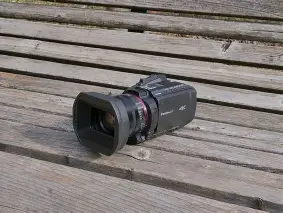
Panasonic Hc X1200 is positioned as a professional-style camcorder designed around an integrated zoom lens, ergonomic controls, and features that support longer handheld or tripod-based shoots. It focuses on manual control, audio flexibility, and usability in multi-camera sets or event coverage where controlled framing and zoom capability matter.
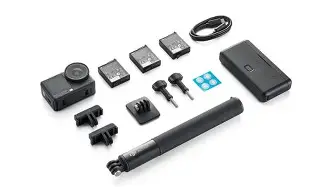
DJI Osmo Action 6 is an action camera optimized for compactness, durability, and point-of-view capture. It prioritizes small size, mounting versatility, robust stabilization, and weather-resistant construction for sports, adventure, and hands-free recording scenarios where weight and footprint are critical.
Detailed product analysis
Design and form factor
The two cameras are fundamentally different in form. The Hc X1200 uses a camcorder form factor that is comfortable for shoulder or handheld grips, with dedicated buttons, dials, and a larger body that accommodates zoom optics and heat management for longer recording sessions. That design suits operators who need tactile controls and a camera that feels balanced when recording for extended periods.
The Osmo Action 6 is tiny and lightweight, designed to be mounted on helmets, handlebars, surfboards, or worn on the body. Its compact cube-style body minimizes wind resistance and allows for mounting in places a camcorder cannot reach. The trade-off is a single fixed (wide-angle) lens and fewer physical controls; many settings are accessed via a touchscreen and companion app.
Lenses and framing: zoom versus fixed wide
The most visible practical difference is lens capability. The Hc X1200’s integrated zoom lens gives the operator focal-length flexibility — from wide coverage for establishing shots to telephoto framing for tighter details without moving the camera. This makes the camcorder suitable for news, event coverage, interviews conducted from a distance, and documentary situations where framing must be adjusted quickly.
The Osmo Action 6 favors a fixed wide-angle lens (with digital crop or field-of-view options). It excels at immersive POV capture and wide landscapes but cannot optically zoom. Users who frequently need telephoto reach will find the action camera limiting unless additional rigs or post-production cropping are acceptable.
Stabilization and motion handling
Stabilization approaches differ by design intent. The Hc X1200 benefits from its ergonomics and manual control, producing steady handheld footage when used with stabilizing rigs, gimbals, or a tripod. It is suited to a workflow that may include external stabilization when needed.
Discover deals on Cameras & Photography — updated daily.
View Offers →The Osmo Action 6 emphasizes in-body electronic stabilization and software processing tailored for high-motion environments. That makes it effective for mountain biking, skiing, or motorcycle rides where mounting points experience extreme vibration. For many action scenarios, its stabilization provides usable footage straight from the camera without bulky rigs.
Audio and monitoring
Audio needs often separate the two cameras. The Hc X1200, being a camcorder, is designed around multi-minute or multi-hour recordings and supports better on-camera audio capture and monitoring workflows — whether via an external microphone mounted on a shoe, wired lavalier inputs, or the ability to use headphone monitoring when paired with appropriate accessories. Those features matter for interviews, conferences, or corporate shoots where clear, controlled audio is essential.
The Osmo Action 6 captures usable on-board audio for casual vlogs and action scenarios but is generally less suited for critical audio capture out of the box. For interviews or professional productions, external audio capture (separate recorders or adapters) is commonly used alongside action cameras.
Durability and environmental use
Durability is another major difference. The Osmo Action 6 is designed to tolerate shock, water, and dust with minimal additional protection — making it a natural choice for outdoor sports, water activities, and rugged travel. Mounting options and multiple waterproof/mounting accessories make it easy to attach the camera to equipment and expose it to the elements.
The Hc X1200 is designed for controlled or semi-outdoor scenarios where protection from heavy spray or immersion is not expected. It is typically used in news vans, indoor events, studios, or on controlled-location shoots. For wet or extreme environments, operators use protective housings or choose a dedicated action camera instead.
Battery life and recording time
Larger camcorders typically provide longer recording times per battery or support hot-swapping via accessory batteries or DC power. This suits event coverage and long interviews. Action cameras aim for compact batteries and high-efficiency modes; however, intensive features like high frame rates, high-resolution recording, and stabilization can reduce runtime. Practical workflows often include spare batteries or external power banks for both device types.
Workflow and post-production
The Hc X1200’s file formats and bitrates are typically chosen with multi-camera and broadcast-friendly workflows in mind: operators expect predictable color profiles, easy multicam sync, and controls for exposure and white balance that minimize post-processing work. The Osmo Action 6 focuses on quick sharing and editing, with smartphone integration for rapid uploads, and profiles that favor dynamic, ready-to-share footage straight from the camera.
Pros & Cons
Panasonic Hc X1200
- Pros: Versatile zoom lens for framing, ergonomic controls for long shoots, more advanced audio options, suited to run-and-gun professional use, generally longer continuous record times, better integration into multi-camera setups.
- Cons: Larger and less portable, not intended for immersion or rugged water sports without housings, heavier and more conspicuous for travel or stealth shooting, typically higher overall system weight when including accessories.
DJI Osmo Action 6
- Pros: Extremely compact and lightweight, rugged and weather-resistant out of the box, excellent stabilization for action, wide-angle immersive perspective, easy mounting and hands-free capture, fast social-media sharing workflows.
- Cons: No optical zoom (rely on digital crop), limited on-board audio quality compared with camcorders, smaller battery capacity and shorter runtimes under heavy use, fewer tactile controls for precise exposure adjustments during dynamic shoots.
Comparison Table
| Feature | Panasonic Hc X1200 | DJI Osmo Action 6 |
|---|---|---|
| Form factor | Camcorder — ergonomic, handheld / tripod-friendly | Action camera — compact, mountable |
| Lens | Integrated zoom lens (wide-to-telephoto flexibility) | Fixed wide-angle lens (immersive POV) |
| Stabilization | Ergonomics + optional gimbal or tripod; good for controlled handheld | Advanced in-body electronic stabilization for high motion |
| Audio | Stronger on-camera audio workflows and external mic support | Basic on-board audio; best paired with external recording for critical audio |
| Durability | Not designed for immersion without housing | Rugged and weather-resistant for action environments |
| Battery/Recording | Tends to be better for longer continuous recordings | Smaller battery; shorter runtime under high performance modes |
| Connectivity & workflow | Designed for multi-camera setups and broadcast-friendly file formats | Strong smartphone integration for quick edits and sharing |
| Best use cases | Events, interviews, documentary, corporate, ENG | Action sports, POV vlogging, adventure travel, mounting in tight spaces |
Real-world use cases and buyer concerns
Buyers typically evaluate cameras based on how they intend to shoot. The following scenarios illustrate common decision criteria:
Travel vlogger who hikes, kayaks, and films landscapes
For a traveler prioritizing small size, minimal setup, and durable gear, the action camera is often preferable. It mounts to a helmet or pack, survives rain and splashes, and produces immersive wide footage. The camcorder may be too bulky while on the move.
Shop the latest Cameras & Photography picks on Amazon.
Browse Now →Independent documentary maker shooting interviews and B-roll
Someone who needs close control over framing, variable focal lengths, and reliable audio capture for interviews will often choose the camcorder. The zoom lens and better on-camera audio options reduce the need for multiple accessories and help keep production values consistent.
Event videographer covering weddings, conferences, or corporate presentations
Events typically require extended recording sessions, quick framing adjustments, and good audio capture. The camcorder’s ergonomics and control layout are suited to these demands. An action camera can complement a multi-camera setup for creative POV angles but is unlikely to serve as the primary event camera.
Action sports enthusiasts (mountain biking, surfing, skiing)
Durability, stabilization, and mounting versatility make the action camera the clear choice here. The camcorder’s weight and size make it impractical for helmet or board mounting, and it lacks the ruggedness required for repeated immersion or impacts.
Buying guide: How to choose between them
When deciding, buyers should prioritize the following factors in order of importance for their intended use:
- Primary shooting scenario: If the majority of shoots involve motion sports or hands-free mounting, favor the action camera. If shoots include interviews, events, or situations demanding variable focal lengths and audio control, favor the camcorder.
- Image framing needs: Choose a camcorder for optical zoom; choose an action camera if a wide-angle, immersive look is desired and zoom is unnecessary.
- Audio requirements: If reliable, high-quality audio is essential without relying on separate recorders, pick the camcorder. For casual vlogging or situations where wind noise is manageable, the action camera suffices.
- Portability vs. ergonomics: Consider whether minimal weight and mounting flexibility outweigh the comfort and control of a larger body.
- Durability: For water, dust, and shock resistance without additional housing, the action camera is advantageous.
- Battery and recording length: For long events, pick the camcorder or plan extra power solutions for the action camera.
- Post-production workflow: Match the camera’s recording formats and color profiles to the intended editing pipeline; camcorders typically align better with broadcast-style workflows, while action cameras prioritize quick social sharing.
Accessories to consider
- For the camcorder: tripod, external microphones, ND filters, spare batteries, and a protective carrying case.
- For the action camera: multiple adhesive mounts, a stabilization harness if required, spare batteries, and a protective case for transport.
Budget and long-term value
Price sensitivity matters. The camcorder—because of its larger body, integrated zoom, and professional features—often represents a larger initial investment but can replace multiple smaller accessories (lens systems, gimbals) in certain workflows. The action camera is frequently more affordable, but getting the full range of mounting and power solutions can add cost. Buyers should evaluate total system cost rather than camera price alone.
Conclusion
In practical terms, choosing between the Panasonic Hc X1200 and the DJI Osmo Action 6 is largely a question of use case. The camcorder focuses on controlled shooting, framing flexibility, and audio-centric workflows—making it a strong choice for documentary work, events, and professional single-operator shoots. The action camera emphasizes portability, durability, and immersive wide-angle footage, making it ideal for sports, adventure, and point-of-view capture.
Rather than asking which is universally better, the most helpful question is: "What will the camera be asked to do most often?" Buyers who prioritize telephoto reach, extended recording sessions, and reliable on-board audio should lean toward the camcorder form factor. Those who prioritize ruggedness, minimal setup, and stabilized POV footage should choose the action camera. Many creators find that the two devices complement each other: a camcorder for planned interviews and events, and an action camera for dynamic, immersive footage that adds variety to a production.